
How to Spot Siding Damage Early (And Save on Repairs)
Your home’s siding does more than create curb appeal—it protects your house from the elements, insulates against heat and cold, and keeps moisture and pests where they belong: outside.
But like any part of your home, siding wears down over time. The good news? Catching damage early can save you from expensive repairs later.
At Choice Exteriors, we’ve seen how quickly a small issue, like a crack or a warped board, can turn into a much bigger headache. In this post, we’ll show you how to spot siding damage early, what causes it, and how to keep your siding in tip-top shape year-round.





No time to read? Here's a summary:
- Siding is essential for protecting your home from the elements and pests, as well as for insulation.
- Minor issues like cracks or warping can lead to major, costly damage if left unaddressed.
- Key signs of damage include cracks, warping, peeling paint, fading color, mold or rust stains, and higher-than-usual utility bills.
- Homeowners should routinely inspect their siding, paying close attention to trouble spots like gutters and windows, to catch problems early.
- The best way to prevent extensive siding damage is through early detection and prompt repairs, which can be done through self-inspections and professional check-ups.
Interested in know more? Keep reading!
What Causes Siding Damage?
Siding is your home’s first line of defense, yet living in PA, NJ, or DE, your home experiences a wide range of weather conditions throughout the year. All of them take a toll on your siding. Here’s what to watch out for:
1. Weather Extremes
From blistering summer sun to driving winter snow, weather plays a significant role in siding wear. UV rays can fade and weaken materials over time, while hail and high winds can crack or loosen panels.
2. Moisture Intrusion
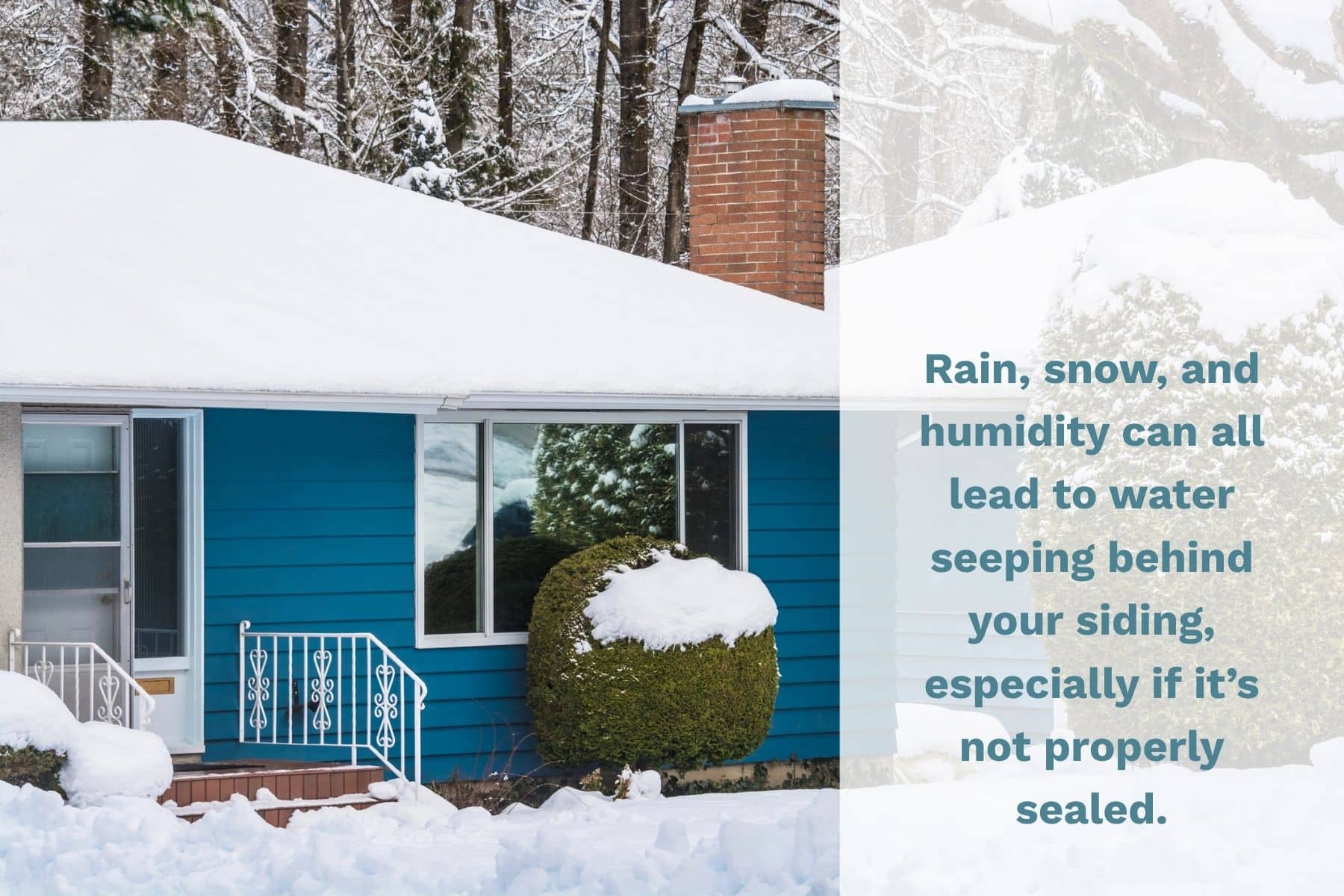
Rain, snow, and humidity can all lead to water seeping behind your siding, especially if it’s not properly sealed. Over time, this can cause mold, mildew, or even wood rot beneath the surface.
3. Pest Damage
Insects and rodents sometimes find weak points in siding to burrow behind or chew through, particularly in wooden or older vinyl siding.
4. Age and General Wear
Even with the best materials, siding has a lifespan. As it ages, you may notice signs of brittleness, discoloration, or structural instability.
Understanding these causes helps you stay proactive and prevent small problems from becoming major ones.
The Risks of Ignoring Siding Damage
A small crack or a bit of mold might seem harmless at first, but putting off repairs can lead to much bigger issues. Here are a few examples of what could happen:
Water Damage to Walls and Insulation
Water that seeps behind damaged siding can destroy drywall, insulation, and framing. This often leads to costly interior repairs and potential mold remediation.
Structural Compromise
Rot and mold can weaken the wooden framing beneath your siding, threatening the overall integrity of your home.
Mold and Mildew Growth
Moist conditions create a breeding ground for mold, which can trigger allergies and other health issues, especially in children and the elderly.
Energy Inefficiency
Gaps in your siding allow warm or cool air to escape, forcing your HVAC system to work harder. This not only raises your utility bill but also wears out your equipment.
Decreased Home Value
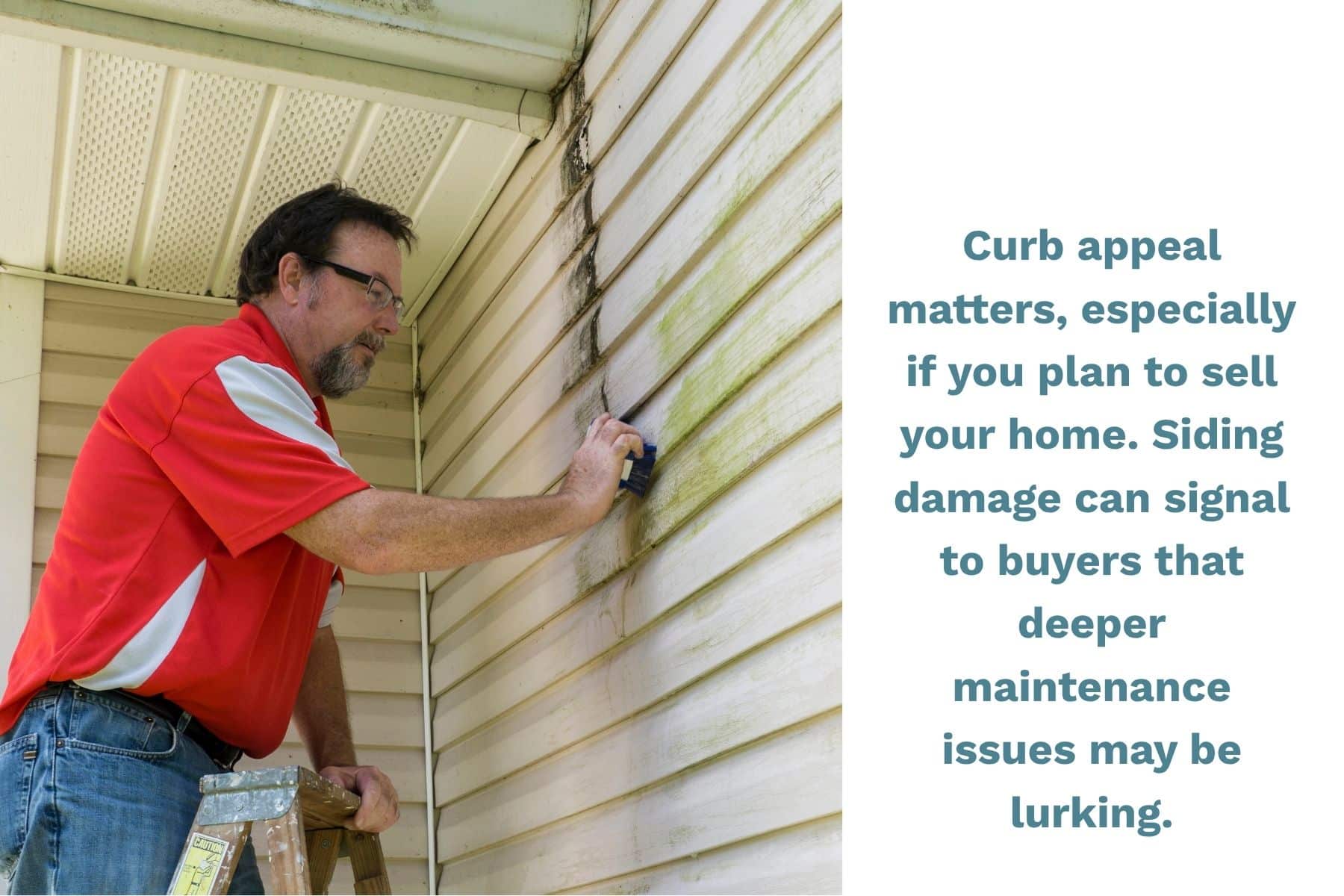
Curb appeal matters, especially if you plan to sell your home. Siding damage can signal to buyers that deeper maintenance issues may be lurking.
Early Warning Signs of Siding Issues
You don't have to be a contractor to spot early signs of siding trouble—you just need to know what to look for. Catching these little red flags early can save you a ton of stress (and money) down the road. Here’s what every homeowner in Pennsylvania, New Jersey, or Delaware will want to keep an eye out for:
Cracks and Gaps
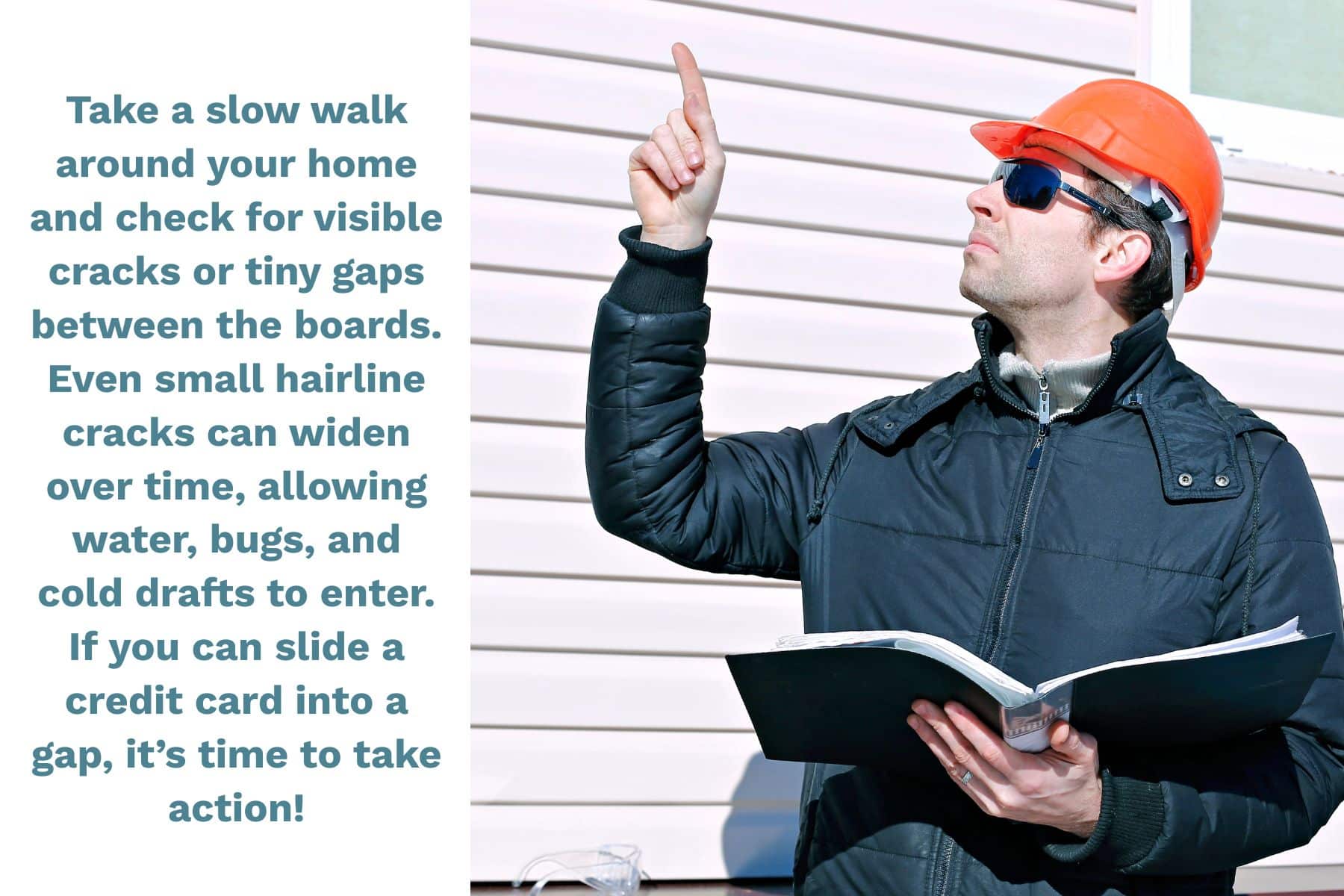
Take a slow walk around your home and check for visible cracks or tiny gaps between the boards. Even small hairline cracks can widen over time, allowing water, bugs, and cold drafts to enter. If you can slide a credit card into a gap, it’s time to take action!
Warping or Buckling
Does your siding look lumpy or wavy, almost like it's been pushed from behind? That’s a classic sign of moisture trapped underneath—or sometimes a hint that your siding wasn’t installed quite right in the first place. Either way, it’s not something you want to ignore.
Peeling Paint or Fading Color
If the paint is bubbling up or peeling off, it’s usually a sign that water has snuck in behind the siding. And if your once-vibrant siding now looks faded and tired, that’s a warning that the sun’s UV rays have started breaking it down. Both are signals that it might be time for some TLC.
Mold, Mildew, or Rust Stains
Keep an eye out for weird green smudges, black streaks, or rusty patches. These often pop up in shady or damp areas and can mean moisture isn’t draining properly. Left alone, that moisture can cause much bigger problems inside your walls.
Higher Utility Bills
Have your heating or cooling bills crept up without any major changes to your home? Damaged siding can sneakily sabotage your insulation, making your HVAC system work overtime to keep you comfortable.
How to Inspect Your Siding Throughout the Year
Performing regular inspections can help you catch problems before they escalate. Here’s how to stay on top of it:
Spring and Fall Inspections
These seasons are ideal times to check for winter damage or prepare for harsh summer weather. Look for visible signs, such as warping, gaps, or discoloration.
Walk the Perimeter
From the ground, walk around your home slowly and visually scan for anything that looks unusual. Bring a flashlight to check under eaves and around windows.
Check Trouble Areas
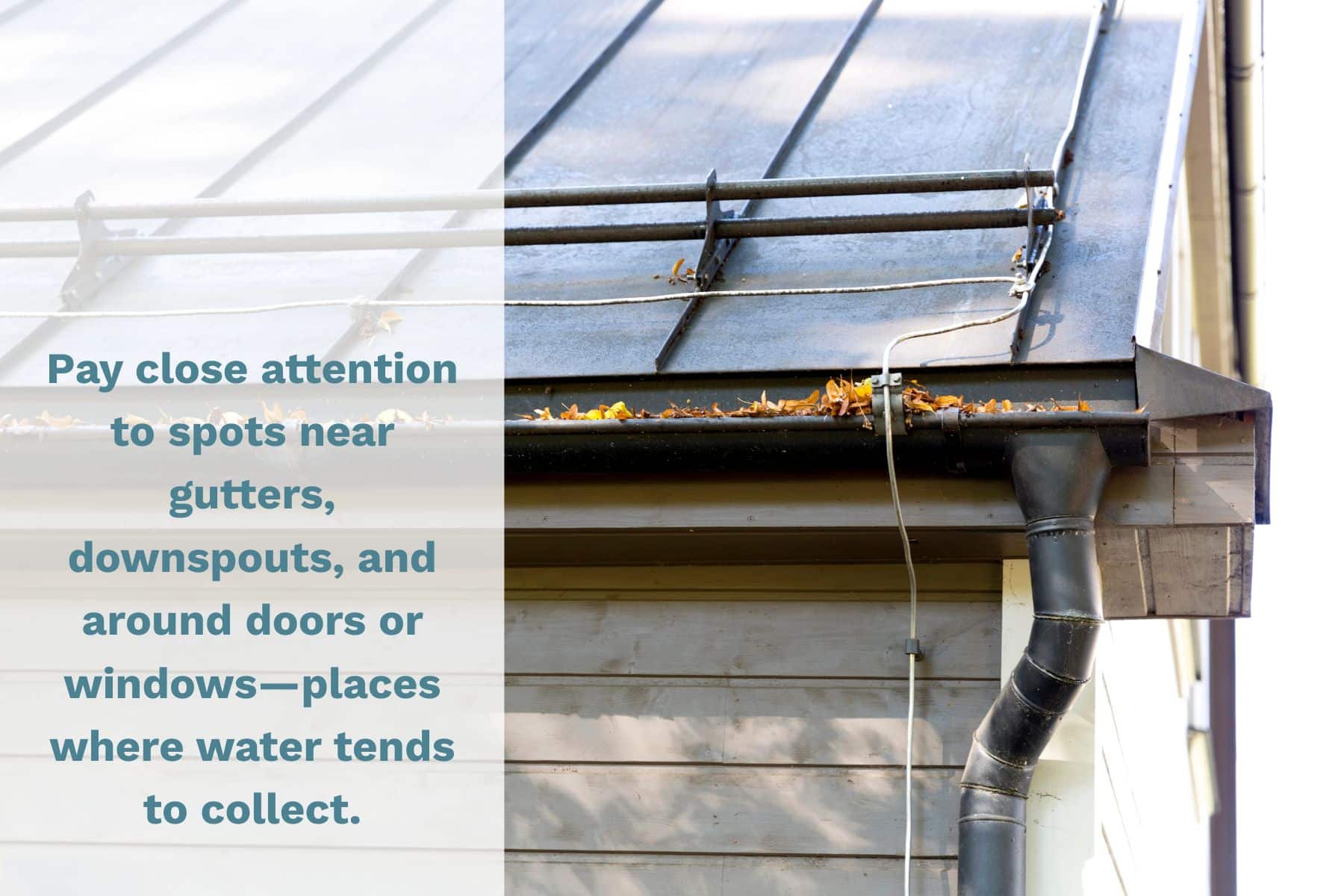
Pay close attention to spots near gutters, downspouts, and around doors or windows—places where water tends to collect.
Use a Soft Tool
If you suspect rot or softness behind wooden siding, gently press with a blunt object (like a screwdriver handle). If the surface gives way, it’s time to call a professional.
Schedule a Professional Assessment
If you’re unsure what you’re seeing or can’t access higher sections of your siding safely, it’s always best to have a siding expert take a look. We at Choice Exteriors are happy to help if you need it!
Best Practices for Maintaining and Repairing Siding
You don’t have time to babysit your siding—and you shouldn’t have to. A few smart moves each year can keep it tough, tight, and looking sharp without eating up your weekends with extensive repair projects. Here's how to stay ahead of the curve (and avoid pricey headaches later):
Give It a Quick Clean Once a Year
Once a year, grab the garden hose or a soft brush and knock off the dirt, grime, and mildew. It only takes an hour or two, but it makes a big difference. Skip the pressure washer unless your siding is built for it—otherwise, you could cause more harm than good.
Seal Up the Gaps Before They Get Bigger
Tiny cracks turn into costly repairs if you let them. Pick up a tube of exterior caulk next time you’re at the hardware store. Hit any gaps around windows, doors, or siding seams before water (or critters) sneak in.
Refresh Paint or Stain When It Starts to Fade
If you have wood siding, plan to repaint or restain every few years. Even tough vinyl can use a touch-up with the right exterior paint. Protecting your siding now keeps you from shelling out for replacements later.
Keep Trees and Bushes in Check
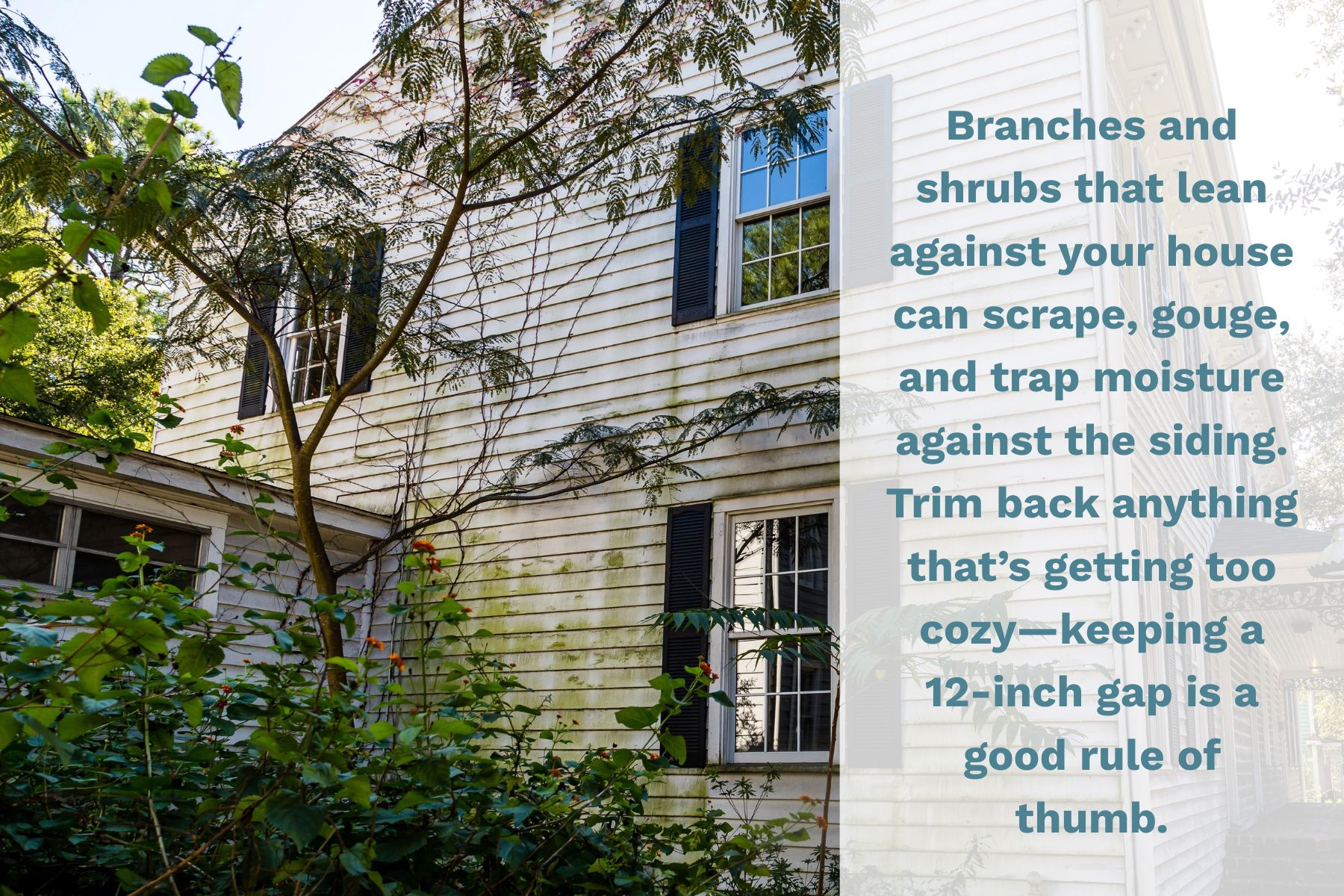
Branches and shrubs that lean against your house can scrape, gouge, and trap moisture against the siding. Trim back anything that’s getting too cozy—keeping a 12-inch gap is a good rule of thumb.
Fix the Small Stuff Fast
Notice a crack, soft spot, or loose panel? Don't put it off for “someday.” Small problems are cheap and easy to fix now—but if you wait, you could be looking at serious repairs (and serious bills) later.
Book a Pro Inspection Once a Year
You get your car inspected, right? Your home deserves the same. A quick annual checkup from a siding expert can catch hidden problems before they wreck your walls—and keep your place buttoned up and ready for whatever the weather throws at it.
Protect Your Home with Expert Siding Care
When it comes to siding damage, early detection is your best defense. By regularly inspecting your home and addressing issues promptly, you can avoid structural problems, save money on energy bills, and preserve your home’s value.

At Choice Exteriors, we specialize in identifying and repairing siding damage for homeowners in Pennsylvania, New Jersey, and Delaware before it leads to major headaches. Whether you need a quick repair or a full replacement, our team is here to help with expert service and honest recommendations.
Not sure if your siding is in shape?
Contact us today to schedule a free inspection or get a personalized siding repair quote.